NS Education AgencyVCEE Education & Employment Agency Ltd.
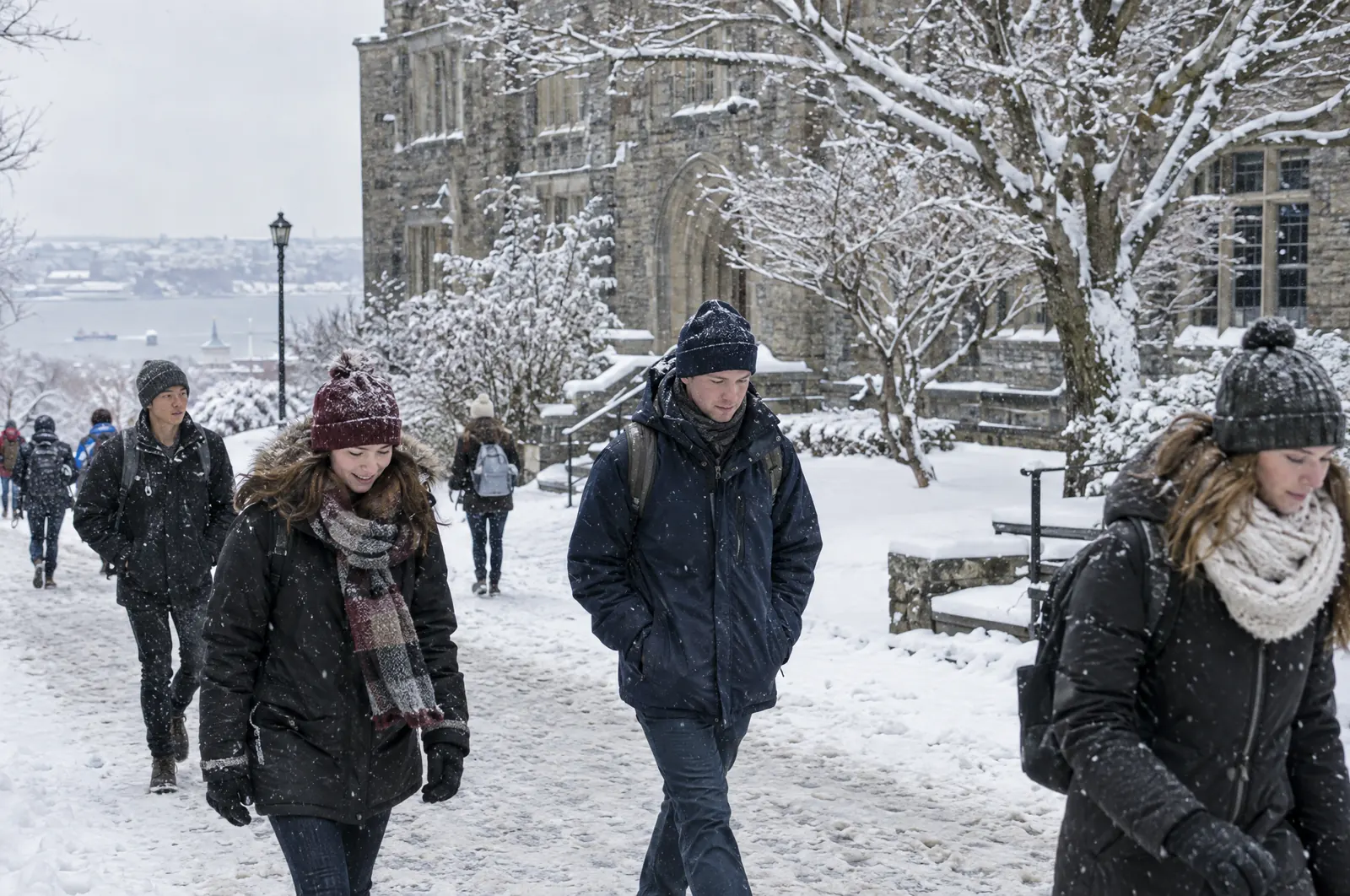
Students in winter coats walking across a snowy campus in Halifax

How studying here works

Read this first if your child is coming from overseas.

Which kind of school?

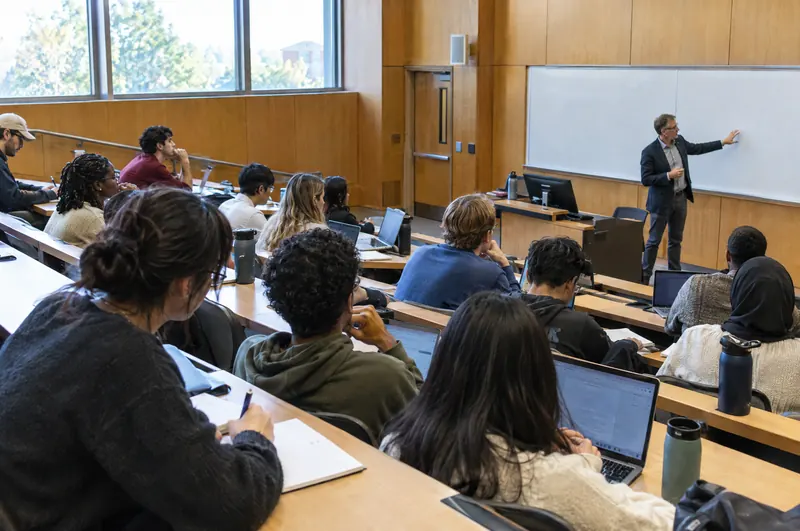
Students in a university lecture hall

Universities

Nova Scotia has universities in Halifax and in smaller towns such as Wolfville, Antigonish and Sydney. Most degrees take four years. Each university sets its own entry requirements, including the English test score it accepts. Only Designated Learning Institutions can take international students, and our directory shows each one's DLI number.
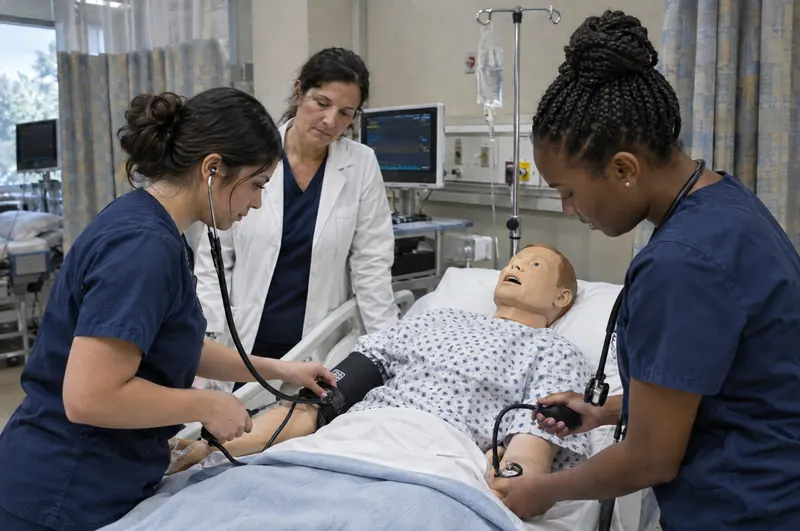
Nursing students practising on a training manikin in a college lab

Colleges

Nova Scotia Community College has campuses across the province, and there are private career colleges in Halifax. College programs are usually one or two years and lead to a certificate or diploma, often with work placements.

Not every private college can take international students. We left 14 Halifax career colleges off our list because they can't.

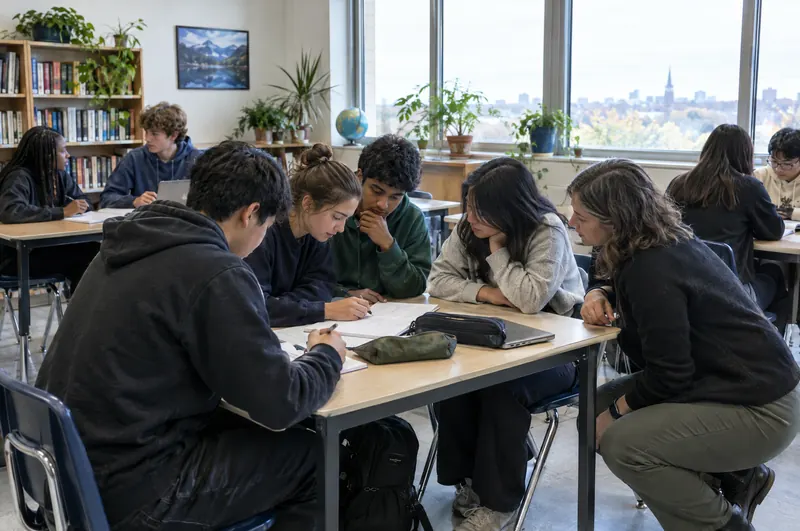
High school students working in groups with their teacher

Public high schools and junior high schools

International students in grades 7 to 12 usually come to Nova Scotia public schools through the Nova Scotia International Student Program (NSISP), which places each student in a school and arranges a homestay. Children whose parent holds a Nova Scotia work or study permit register with the school board directly, and do not pay tuition.

Not every school takes international students, and NSISP or the school board decides where a student goes, so we can't promise a particular school. We are not part of NSISP. For the Halifax area, see HRCE's page for international students.

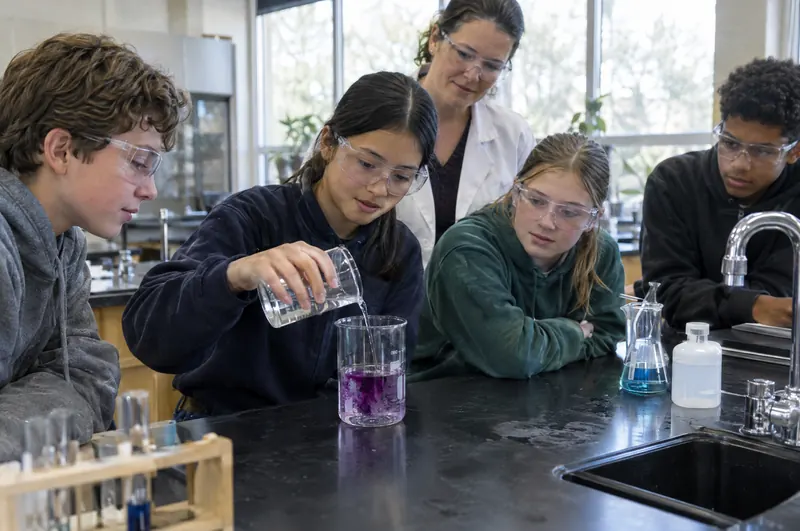
Junior high students doing a science experiment

Private schools

Halifax has independent schools with their own admissions, fees and homestay or boarding arrangements. Classes are often smaller, and some have uniforms.

You apply to each one directly, and each has its own deadlines.

A teacher reading a picture book to young children on a classroom rug

Elementary schools

Elementary schools teach pre-primary or primary up to grade 5 or 6. Our directory lists Halifax-area elementary schools, public and private, in English and in French.

The Nova Scotia International Student Program starts at grade 7, so younger children usually study here only when a parent comes too, for example a parent working or studying in Nova Scotia. Ask the school board about enrolment and any fees for your family's situation.

Child care and pre-primary

Daycares and family home day cares in Nova Scotia are licensed by the province. You can search them by town and age group, and check their licence, in the province's Directory of Licensed Child Care Facilities. Spaces can be limited, so start looking early.

Four-year-olds can join pre-primary, a free program run in public schools. A child must turn four by December 31 of the year they start and live in the school's area. Ask the school board whether your child can join.

What students need

  • A letter of acceptance from the school.
  • A study permit from the Government of Canada, for most programs longer than six months. This is your family's own application: you can apply yourself on canada.ca, or use a licensed immigration consultant (a CICC member) or a lawyer. We do not give immigration advice or fill in immigration forms.
  • A provincial attestation letter for most college and university students. The school asks the province for it after you accept its offer (some schools first ask for a tuition deposit), and it is free. Students coming for preschool, elementary, junior high or high school do not need one, and from 2026 neither do master's or PhD students at public universities.
  • A custodian for a student under 17 who comes without a parent. The custodian must be a Canadian citizen or permanent resident. From 17 a custodian is optional, but an immigration officer can still ask for one, and schools can have their own rules. See the Government of Canada's page on minor children.
  • A place to live. Younger students live with a homestay family. Older students can choose homestay, residence or their own rental.

Rules change. Always check the current requirements on the Government of Canada website before you apply.

A host family having dinner with an international high school student

What we do for families

Choosing schools

A short list based on the student's age, grades, English level, interests and your budget.

School applications

Forms, transcripts and deadlines for the universities, colleges and private schools you choose. Places in public schools go through NSISP or the school board.

Homestay

We explain how the school's homestay works. For custodian rules, see the Government of Canada's page or ask a licensed immigration consultant (CICC member) or a lawyer. We do not act as a custodian.

Arrival

Meeting students at Halifax Stanfield airport, and help with a phone plan and a bank account in the first week.

Staying in touch

We check in after the first few weeks, and again whenever parents ask. With a student under 18, we only do this with a parent's agreement, and we report back to the parent.

What we don't do

Immigration advice, study permits, attestation letters, custodian declarations, or anything else that needs a licensed immigration consultant or a lawyer.

Fees

Tuition and school fees are paid directly to the school, never through us. Before we start working with your family, we tell you in writing what our service costs, what it includes, and whether a school pays us a commission. If one does, your shortlist says so next to that school.

How to spot a fake offer

No agent can guarantee a school place, a study permit, a scholarship or a job. Be careful of anyone who asks you to pay tuition to them instead of the school, asks for documents or money through social media, or promises faster processing. We only contact families from the phone number and email address on this website, and on WhatsApp or Zalo only from that same phone number.

Tell us about the student

A parent or guardian should fill this in for any student under 18. Fields marked * are required. Please don't send passports, transcripts or other documents here.

For example: grade 9
Kind of school you are interested in *Pick as many as you like.
For example: IELTS 6.0, or beginner
Subjects the student enjoys, schools you already like, your budget, questions.